
I’m at the point that I can’t figure out why I keep getting an index out of range error. Yes, the code is a mess. Any help is appreciated.
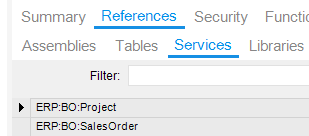
References
CallService<Erp.Contracts.SalesOrderSvcContract>(soSvc =>
{
    Erp.Tablesets.SalesOrderTableset soTS = soSvc.GetByID(soNum); if (soTS == null) {funcOutput = "soTS"; return;}

    CallService<Erp.Contracts.ProjectSvcContract>(projSvc =>
    {
        Erp.Tablesets.OrderHedRow ohRow = soTS.OrderHed[0]; if (ohRow == null) { this.funcOutput = "ohRow"; return;}

        Erp.Tablesets.OrderDtlTable odTable = soTS.OrderDtl; if (odTable == null) { this.funcOutput = "odTable"; return;}

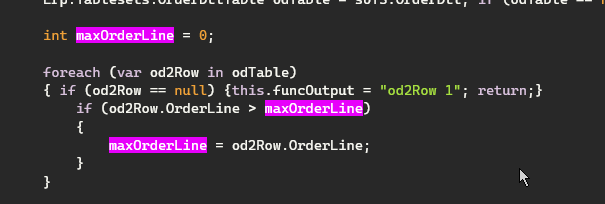
        int maxOrderLine = 0;

        foreach (var od2Row in odTable)
        { if (od2Row == null) {this.funcOutput = "od2Row 1"; return;}
            if (od2Row.OrderLine > maxOrderLine)
            {
                maxOrderLine = od2Row.OrderLine;
            }
        }

        Erp.Tablesets.ProjectTableset projTS = new Erp.Tablesets.ProjectTableset(); if (projTS == null) { this.funcOutput = "projTS"; return;}

        projSvc.GetNewProject(ref projTS); if (projTS == null) { this.funcOutput = "projTS 2"; return;}

        string pID = "P" + ohRow.OrderNum.ToString();

        Erp.Tablesets.ProjectRow projRow = projTS.Project.FirstOrDefault(); if (projRow == null) { this.funcOutput = "projRow"; return;}

        projRow.ProjectID = pID;
        projRow.Description = ohRow.OrderNum.ToString();
        projRow.StartDate = ohRow.OrderDate;
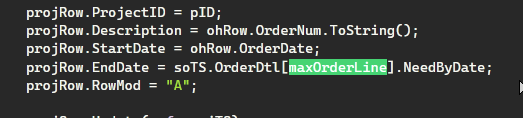
        projRow.EndDate = soTS.OrderDtl[maxOrderLine].NeedByDate;
        projRow.RowMod = "A";

        projSvc.Update(ref projTS);
        projTS = projSvc.GetByID(pID); if (projTS == null) { this.funcOutput = "first recall"; return;}

        foreach (var od2Row in odTable)
        {
            if (od2Row != null)
            {
            if (od2Row.MfgJobType == "PRJ")
            {
                projSvc.GetNewProjPhase(ref projTS, pID);

                Erp.Tablesets.ProjPhaseRow phaseRow = projTS.ProjPhase.FirstOrDefault(p => p.RowMod == "A"); if (phaseRow == null) { this.funcOutput = "phaseRow"; return;}

                phaseRow.PhaseID = od2Row.OrderLine.ToString();
                phaseRow.Description = od2Row.LineDesc.Substring(30);
                phaseRow.DueDate = od2Row.NeedByDate;

                projSvc.Update(ref projTS);
                projTS = projSvc.GetByID(pID); if (projTS == null) {this.funcOutput = "second recall"; return;}

                Erp.Tablesets.OrderRelRow orRow = soTS.OrderRel.FirstOrDefault(r => r.OrderLine == od2Row.OrderLine && r.OrderRelNum == 1); if (orRow == null) {funcOutput = "orRow"; return;}

                orRow.PhaseID = od2Row.OrderLine.ToString();

                soSvc.Update(ref soTS);
                soTS = soSvc.GetByID(soNum); if (soTS == null) {funcOutput = "so first recall"; return;}
            }}{funcOutput = "error2"; return;}

            foreach (var phRow in projTS.ProjPhase)
            {
                if (phRow != null)
                {
                projSvc.GetNewProjectMilestone(ref projTS, pID);

                Erp.Tablesets.ProjectMilestoneRow mRow = projTS.ProjectMilestone.FirstOrDefault(m => m.RowMod == "A"); if (mRow == null) {funcOutput = "mRow"; return;}

                mRow.MilestoneID = od2Row.OrderLine.ToString();
                mRow.Description = phRow.Description;
                mRow.BillingRequired = true;
                mRow.OrderNum = od2Row.OrderNum;
                mRow.OrderLine = od2Row.OrderLine;
                mRow.BillingType = "F";
                mRow.BillingAmount = od2Row.ExtPrice;

                projSvc.Update(ref projTS);
                projTS = projSvc.GetByID(pID); if (projTS == null) {funcOutput = "third recall"; return;}

                projSvc.GetNewProjectCriteria(ref projTS, projRow.ProjectID, od2Row.OrderLine.ToString());

                Erp.Tablesets.ProjectCriteriaRow cRow = projTS.ProjectCriteria.FirstOrDefault(c => c.RowMod == "A"); if (cRow == null) {funcOutput = "cRow"; return;}

                cRow.CriteriaType = "P";
                cRow.PhaseID = phRow.PhaseID;

                projSvc.Update(ref projTS);
                projTS = projSvc.GetByID(pID); if (projTS == null) {funcOutput = "die"; return;}
                } {funcOutput = "error1"; return;}
            }
        }
    });
}); funcOutput = "Success";
 and I knew it. Just couldn’t find it. Thanks