I am opening up this topic, because it was raised at #Insights2018. Please join in on the discussion if you have examples that prove this wrong!!!
I just want to curb any urban legend that may be building out in the community based on misunderstood ideas.
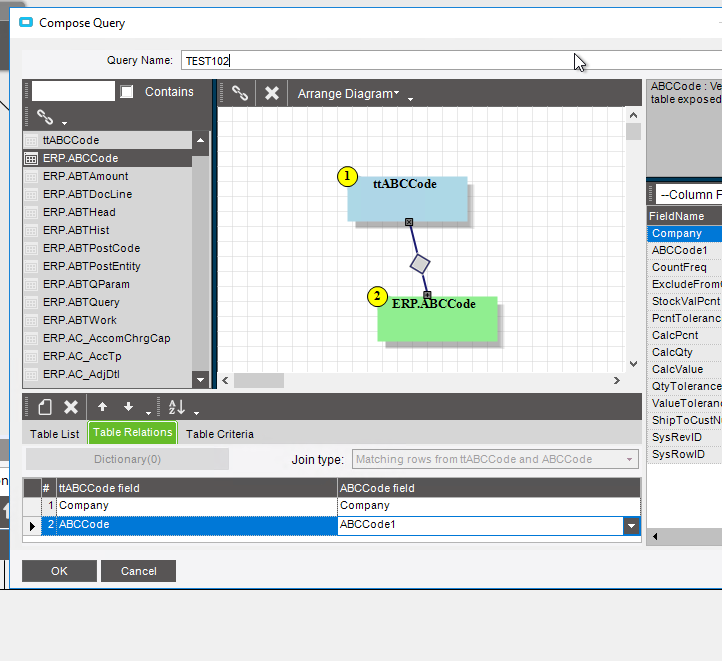
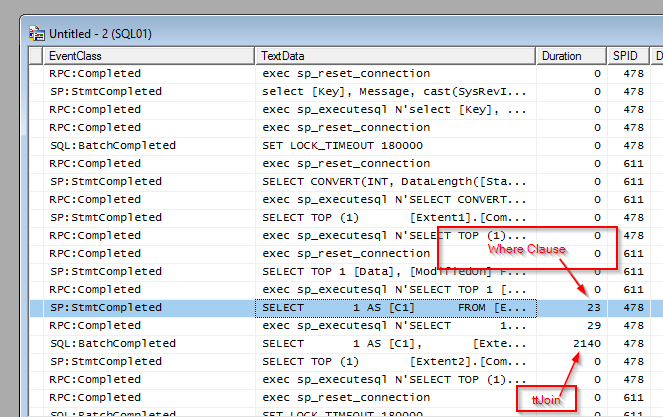
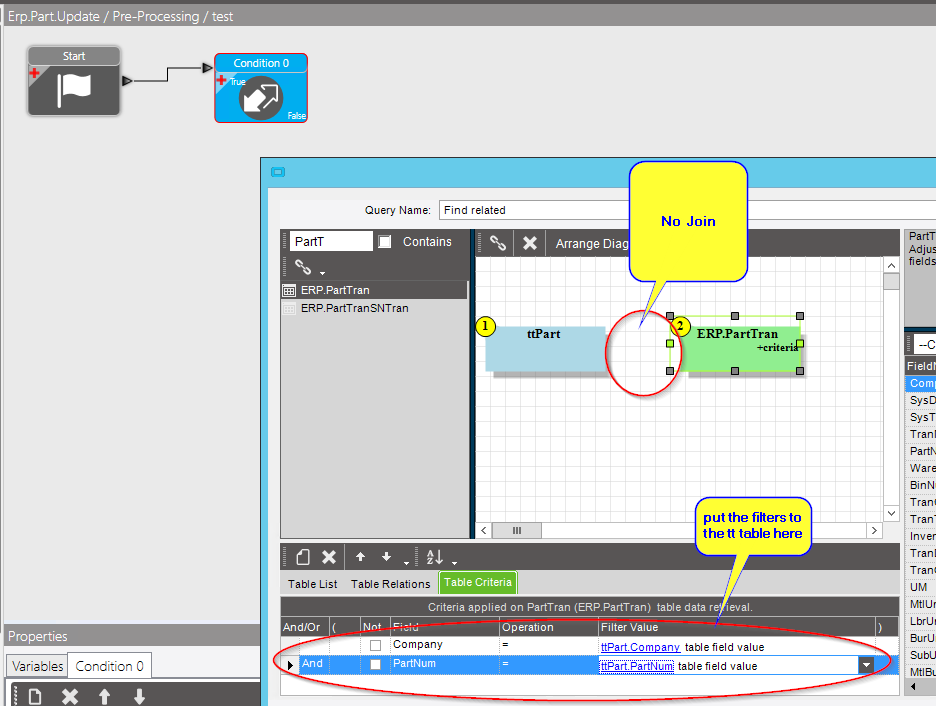
There was a recommendation made during one of the sessions that JOINING a TT record to a regular database record was bad practice. Instead of joining, you should simply add conditions in your query for any of those links between TT and non-TT records. This recommendation was based on a study done by @josecgomez (I believe) which showed the difference between a poorly written and a well written Linq statement using tt records. Jose IS CORRECT, in that you can create really bad linqs if joined incorrectly
It raised a huge concern in my own mind because I regularly do this… for example, I would join the TTOrderDtl to Part to find if the part met certain criteria. This would mean that I would need to review and change links in 100s of BPMs.
After returning home, I started research, including contacting Development and other consultants, and received word that this is NOT a problem UNLESS you connect backwards…
GOOD joins:
- TTOrderDtl -->Join -->Part
- TTOrderDtl -->Join -->Part --> Join -->PartPlant
BAD joins: - Part -->Join --> TTOrderRel --> Join -->PartPlant
- PartTran --> ttPart
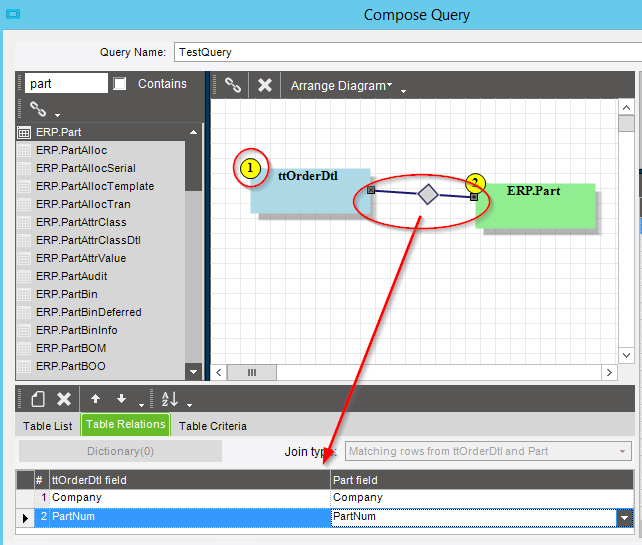
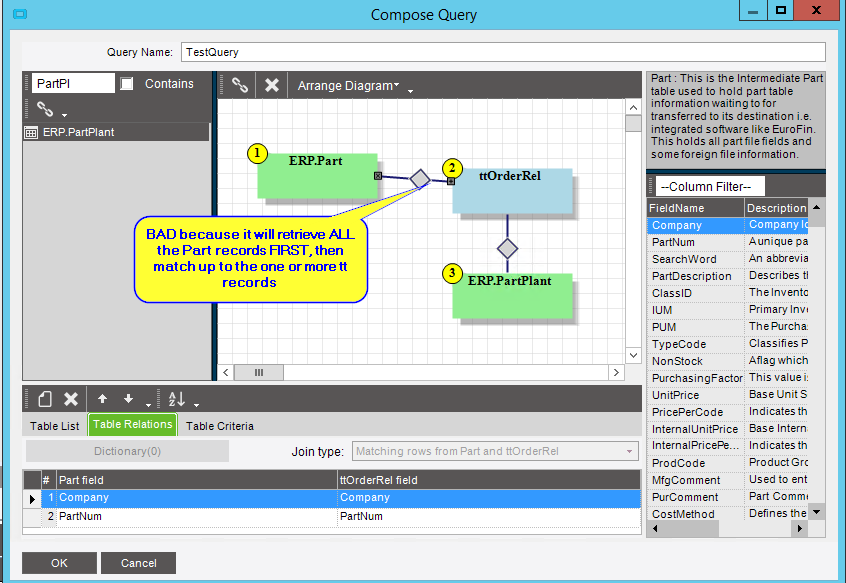
The word I received (had have personally verified) is that as long as the TT table(s) is/are the FIRST table(s), then when the linq statement is created, then your query will be efficient…
Thoughts?

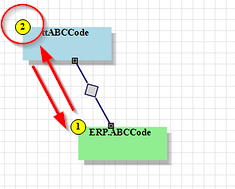
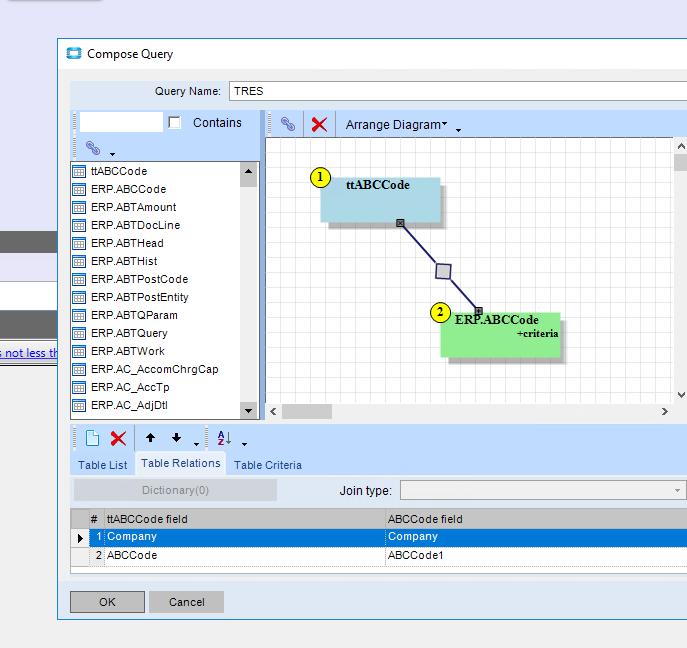
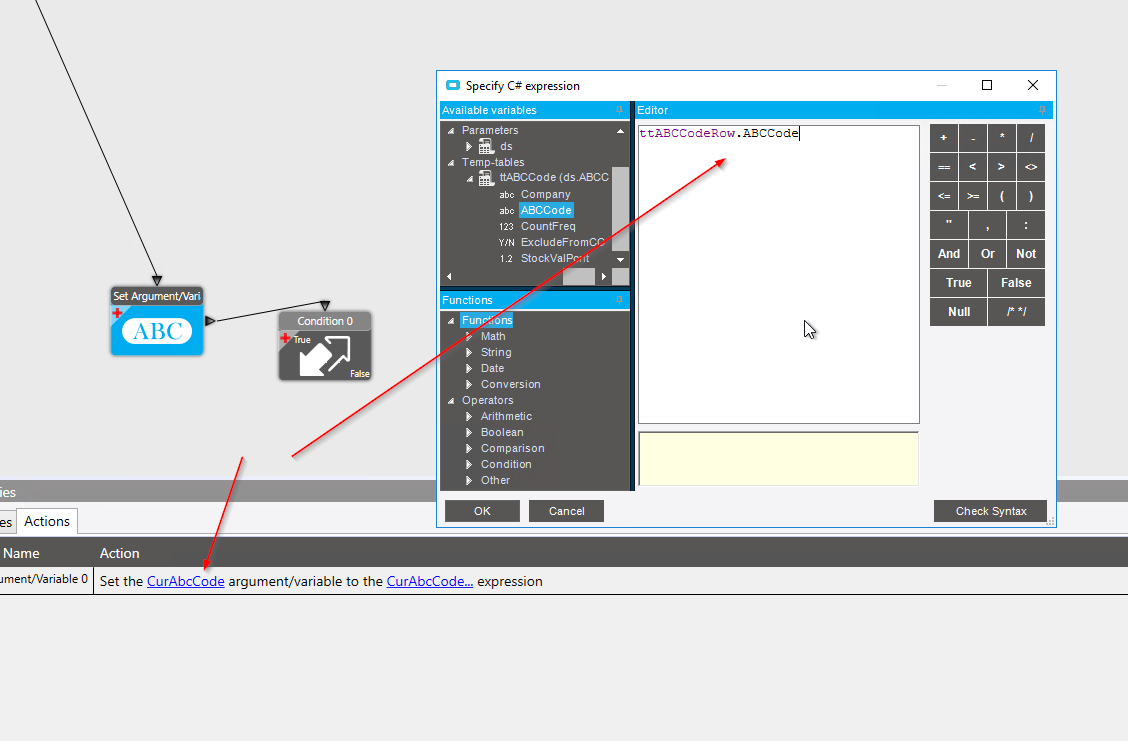
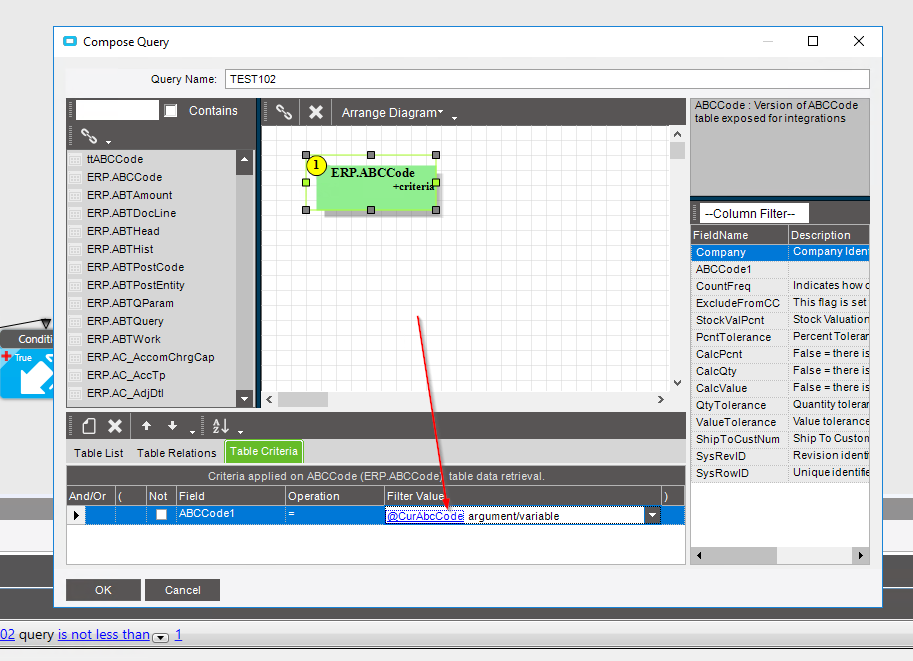




 and it would increase exponentially based on the size of the table.
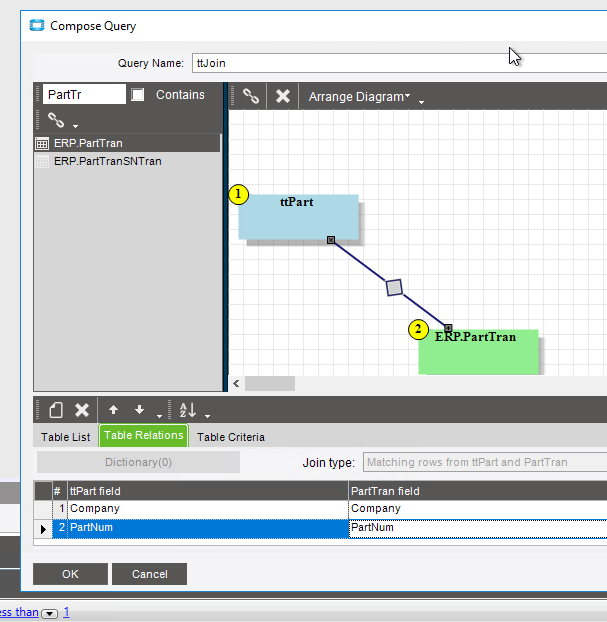

 cost benefit at that point.